Stepping into the world of smart home security can feel overwhelming, especially when it comes to selecting a video doorbell. With over a decade of hands-on experience in video doorbell technology, I understand the nuances that differentiate a good device from an exceptional one. Ring, a leader in home security, offers a compelling range of video doorbell cameras that promise to transform how you monitor and interact with your home’s entryway. This guide is crafted to cut through the noise, providing you with the insights needed to confidently choose the perfect Ring Video Doorbell Camera that fits your needs and budget.
What is a Video Doorbell Camera and Why Do You Need One?
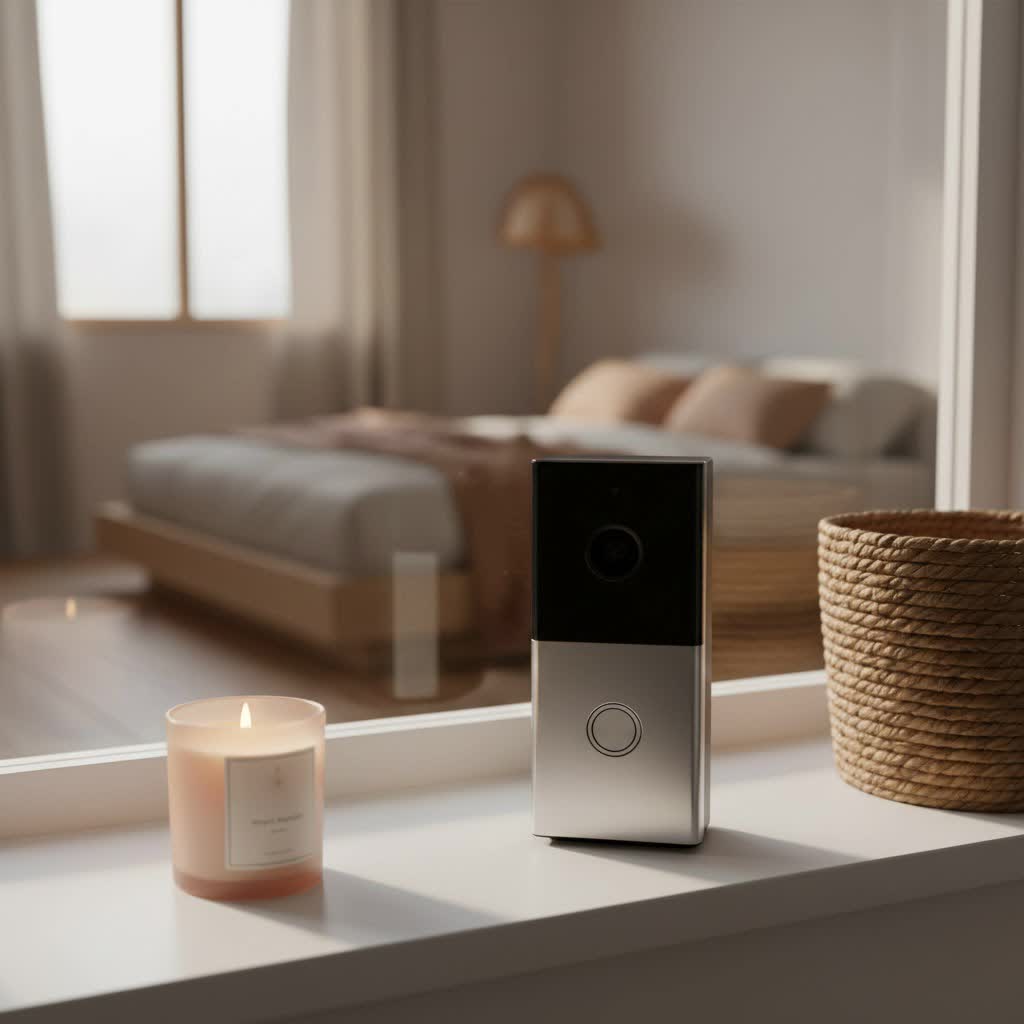
A Ring Video Doorbell Camera integrates a high-definition camera, advanced motion sensors, and two-way audio into a single, smart doorbell unit. When someone rings your doorbell or is detected within its configurable motion zones, the device sends an instant alert to your smartphone. This allows you to see, hear, and speak to visitors from anywhere in the world, providing a virtual presence even when you’re away.
The core advantages of equipping your home with a Ring Video Doorbell Camera are threefold: enhanced security, unparalleled convenience, and complete control. These devices act as a vigilant sentry, helping to deter potential intruders, monitor package deliveries, and allow seamless communication with guests or delivery personnel. Imagine being able to tell a courier where to leave a package while you’re at work, or verifying a visitor’s identity before opening the door – these scenarios highlight the daily peace of mind a Ring Video Doorbell Camera delivers.
Types of Ring Video Doorbell Cameras
Ring’s extensive product line ensures there’s a video doorbell camera tailored for almost any home. The primary distinctions often revolve around power source and the sophistication of features.
Wired vs. Wireless (Battery-Powered)
Your home’s existing infrastructure and your desire for installation simplicity will largely dictate whether a wired or wireless model is best for you.
- Wireless (Battery-Powered) Ring Doorbells: Models like the Ring Battery Doorbell Plus or the Ring Battery Video Doorbell (2024) offer significant installation flexibility. They operate on rechargeable battery packs, eliminating the need for existing doorbell wiring. This makes them perfect for renters, apartments, or homes where running new wires isn’t feasible. While incredibly easy to install, battery-powered models require periodic recharging, and their battery life can be influenced by heavy usage or extreme weather conditions. Their connection stability is dependent on your Wi-Fi signal.
- Wired Ring Doorbells: The Ring Video Doorbell Pro 2 and the Ring Video Doorbell Wired are examples of hardwired units. These connect to your home’s existing low-voltage doorbell wiring, providing continuous power and removing the concern of battery life. Wired doorbells typically offer more advanced features, faster responsiveness, and a generally more stable connection. Installation can be slightly more involved, often requiring a basic understanding of electrical wiring, but results in a robust and always-on security system. Some premium wired models even support Power over Ethernet (PoE) for maximum reliability.
|
Our Picks for the Best Video Doorbell in 2026
As an Amazon Associate I earn from qualifying purchases.
|
||
| Num | Product | Action |
|---|---|---|
| 1 | Blink Video Doorbell (newest model) – Head-to-toe HD view, two-year battery life, and simple setup. Sync Module Core included – System (Black) |

|
| 2 | Ring Battery Doorbell (newest model), Home or business security with Head-to-Toe video, Live View with Two-Way Talk, and Motion Detection & Alerts, Venetian Bronze |
|
| 3 | Blink Mini 2 — Home Security & Pet Camera with HD video, color night view, motion detection, two-way audio, and built-in spotlight — 1 camera (White) |
|
| 4 | Blink Video Doorbell (newest model) – Head-to-toe HD view, two-year battery life, and simple setup. Required Sync Module not included – Add-On (White) |
|
| 5 | Tapo by TP-Link Smart Video Doorbell Camera Wireless with Chime, 2K with Full Color Night Vision & Spotlights, No Monthly Fee, Ring Call, 160° Ultra-Wide View, Free AI Detection, Local Storage,D210 |
|
| 6 | Blink Outdoor 4 – Wireless smart security camera, two-year battery life, 1080p HD day and infrared night live view, two-way talk. Sync Module Core included – 2 camera system |
|
| 7 | Ring Battery Doorbell (newest model), Home or business security with Head-to-Toe video, Live View with Two-Way Talk, and Motion Detection & Alerts, Satin Nickel |
|
| 8 | Noorio Wireless Doorbell Camera with Rechargeable Battery, 2K+ Resolution, 2-Way Audio, Color Night Vision, AI Motion Detection, Smart Video Doorbell Works with Alexa, D110 |
|
| 9 | NariOrbi WiFi Video Doorbell Camera with Human Detection, Battery Powered, Night Vision, 2-Way Talk, 2.4G WiFi, Cloud Storage |
|
| 10 | Ring Indoor Cam, Home or business security in 1080p HD video, White |
|
Basic vs. Advanced Features
Beyond the power source, Ring doorbells differentiate themselves through their feature sets.
- Basic Features: Even entry-level Ring Video Doorbell Cameras come equipped with fundamental functionalities essential for home monitoring. These include clear high-definition (HD) video recording (typically 1080p), two-way audio with integrated microphones and speakers, and customizable motion detection zones that trigger instant alerts to your smartphone. Infrared night vision ensures visibility even in complete darkness.
- Advanced Features (AI-Powered): Ring’s higher-tier models incorporate cutting-edge technology for superior monitoring and proactive security. These advanced features include:
- Head-to-Toe Video: A broader vertical field of view (often 150×150 degrees) allows you to see visitors entirely, from their hat to their shoes, and critically, gives you a full view of packages left on your doorstep.
- 3D Motion Detection & Bird’s Eye View: Utilizing radar technology, these doorbells precisely detect motion, measure distance, and map out the exact path of movement on your property through an aerial “Bird’s Eye View.” This significantly reduces false alarms from passing cars or swaying trees.
- Package Detection: Specialized smart alerts are designed to notify you specifically when a package is delivered and, more importantly, if someone attempts to remove it.
- Color Night Vision: Enhances nighttime visibility by providing full-color video, offering more detail and clarity than traditional black-and-white infrared footage.
- AI Smart Video Search: A groundbreaking AI-powered feature enabling you to search your video event history using natural language queries (e.g., “show me the red car from Tuesday morning”). This drastically simplifies finding specific moments in your recordings.
- Familiar Faces: Some advanced Ring devices incorporate facial recognition technology, allowing you to tag known individuals and receive personalized alerts. While this adds a layer of personalization, it’s essential to consider the associated privacy implications. Ring maintains that biometric data is securely processed in the cloud and not used to train AI models, with unlabelled faces automatically deleted after 30 days.
Top Ring Video Doorbell Camera Models
Ring offers a model for every need. Here’s a quick look at some of the most popular and highly-rated Ring Video Doorbell Cameras:
- Ring Video Doorbell Pro 2: This is often heralded as Ring’s premium wired offering. It boasts 1536p HD+ video, precise 3D Motion Detection with Bird’s Eye View, and a comprehensive Head-to-Toe field of view. It’s the go-to for homeowners demanding top-tier performance and continuous hardwired power.
- Ring Battery Doorbell Plus: A highly versatile choice, this model offers the flexibility of both battery power and hardwired installation. It delivers improved 1536p HD video with a crucial head-to-toe perspective, making it excellent for monitoring package deliveries. It strikes an impressive balance between advanced features and ease of use.
- Ring Battery Video Doorbell (2024): An exceptional budget-friendly option for those seeking a wireless solution. Despite its accessible price, it provides 1440p HD head-to-toe video, color night vision, and smart alerts for people and packages, offering significant value.
- Ring Video Doorbell Wired: As Ring’s most affordable hardwired doorbell, it’s a compact and capable entry point. It features 1080p HD video, two-way talk, and live view, providing essential smart security functionalities without a hefty price tag.
- Ring Peephole Cam: Specifically designed for renters or homes with existing peepholes, this battery-powered camera offers easy, drill-free installation. It provides 1080p HD video, two-way audio, and motion detection, making smart security accessible for various living situations.
Comparison Table: Choosing Your Ideal Ring Video Doorbell Camera
To streamline your decision-making process, here’s a detailed comparison of key specifications for Ring’s most popular video doorbell cameras:
| Feature | Ring Video Doorbell Pro 2 | Ring Battery Doorbell Plus | Ring Battery Video Doorbell (2024) | Ring Video Doorbell Wired |
|---|---|---|---|---|
| Power Source | Hardwired | Battery/Hardwired | Battery | Hardwired |
| Video Resolution | 1536p HD+ | 1536p HD | 1440p HD | 1080p HD |
| Field of View (FoV) | 150° Horiz., 150° Vert. (Head-to-Toe) | 150° Horiz., 150° Vert. (Head-to-Toe) | 150° Horiz., 150° Vert. (Head-to-Toe) | 155° Horiz., 90° Vert. |
| Advanced Motion Detect | 3D Motion, Bird’s Eye View | Advanced Motion Zones | Standard Motion Zones | Standard Motion Zones |
| Package Detection | Yes | Yes | Yes | No (Basic alerts) |
| Color Night Vision | Yes | Yes | Yes | Yes |
| Removable Battery | N/A (Hardwired) | Yes | No (Built-in) | N/A (Hardwired) |
| Price (Approx.) | $250 | $180 | $100 | $60 |
Note: Prices are approximate and can vary based on retailers and ongoing promotions. Always check current pricing.
For those seeking the pinnacle of features and continuous reliability, the Ring Video Doorbell Pro 2 is the clear leader. If flexible power options combined with excellent head-to-toe monitoring are crucial, the Ring Battery Doorbell Plus offers outstanding versatility. Homeowners on a tighter budget who still desire smart features will find exceptional value in the Ring Battery Video Doorbell (2024). Lastly, the Ring Video Doorbell Wired stands out as a solid, entry-level hardwired solution for fundamental smart security.
How to Choose the Right Ring Video Doorbell Camera (Buying Guide)
Making the optimal choice requires a personalized approach, assessing your unique circumstances and priorities.
Assess Your Needs
Begin by clarifying your primary objectives for a video doorbell.
- Main Goal: Is your paramount concern deterring crime and monitoring suspicious activity, or is it more about convenience, such as screening visitors and managing deliveries remotely? Pinpointing your main goal will guide you toward the right feature set.
- Installation Environment: Consider the exact location where the doorbell will be mounted. Does it face direct sunlight? Is it recessed? Does it need to cover a wide entryway or just a narrow stoop? Factors like direct sunlight might warrant HDR capabilities, while a narrow entryway could benefit from a wider vertical view to catch packages.
- Existing Wiring and Setup: Do you have existing doorbell wiring and an indoor chime? If so, a wired model might be a seamless fit. If not, or if you prefer a simpler installation process, a battery-powered unit offers greater flexibility.
- Budget Allocation: Establish a realistic budget. Ring doorbells span a wide price spectrum, and knowing your financial comfort zone will help narrow down the options efficiently. Remember to factor in potential long-term costs like subscription plans.
Key Factors to Consider When Selecting
Once your needs are clear, evaluate these technical and practical considerations.
- Video and Audio Fidelity: Prioritize models offering high-resolution video (1080p HD or higher) for crisp, identifiable images, both day and night. Excellent two-way audio with noise cancellation is equally important for clear, unobstructed conversations with visitors.
- Connectivity and Ecosystem Integration: Ensure the doorbell is compatible with your home Wi-Fi network. While most support 2.4GHz, dual-band (2.4/5GHz) models often provide more stable connections. If you own Amazon Alexa devices, Ring doorbells offer seamless integration, allowing voice control and live viewing on Echo Show or Fire TV screens.
- Durability and Weather Resistance: Your video doorbell will endure various elements. Look for devices explicitly designed for outdoor use and rated for weather resistance to ensure longevity against rain, snow, and extreme temperatures.
- Ring Protect Plan Requirement: Be aware that Ring offers subscription plans (Basic and Plus) that unlock full functionalities, including video recording, storage (typically up to 180 days), and sharing. Without a plan, you can only access live view and real-time alerts; you cannot review past events. Factor this recurring cost into your overall budget.
- Installation Process: While many Ring doorbells are designed for DIY installation, some wired models may require more intricate setup. Consider your comfort level with basic electrical work if opting for a wired system.
Tips for Installation and Usage
Optimizing your Ring Video Doorbell Camera starts with proper installation and extends to smart daily usage.
- Strategic Placement: Mount your doorbell at the recommended height (around 48 inches or 1.2 meters from the ground) to capture faces clearly. If your door is angled, consider purchasing an official Ring wedge kit to direct the camera for optimal viewing of your entryway.
- Seamless App Setup: Follow the step-by-step instructions within the Ring app carefully. Connect your device to the strongest available Wi-Fi signal for rapid notifications and reliable streaming. Customize motion zones to focus on critical areas and minimize irrelevant alerts from street traffic.
- Battery Life Optimization (for Wireless Models): To extend battery life, fine-tune motion sensitivity, adjust the frequency of alerts, and enable “People Only Mode” if available. Regular monitoring of the battery status in the app ensures you recharge before it dies.
- Enhance Security Settings: Always enable two-factor authentication for your Ring account and use a strong, unique password. Review and adjust privacy settings to control data sharing and feature access, particularly for advanced AI functions.
Common Issues and Troubleshooting
Even with robust technology, minor glitches can occur. Here are common issues and straightforward troubleshooting steps for your Ring Video Doorbell Camera:
- Intermittent Wi-Fi Connectivity:
- Symptom: Delayed alerts, choppy video feeds, frequent disconnections.
- Fix: Ensure your Wi-Fi router is centrally located and not too far from the doorbell. A Ring Chime Pro can act as a Wi-Fi extender, boosting signal strength. Check for potential interference from other wireless devices or thick walls.
- Blurred or Low-Quality Video:
- Symptom: Images lack clarity, especially during specific times.
- Fix: Gently clean the camera lens with a soft, lint-free cloth. Verify your internet speed meets Ring’s recommendations; insufficient bandwidth can degrade video quality. Ensure adequate ambient lighting in the viewing area for optimal night vision performance.
- Missed Motion Alerts or Doorbell Rings:
- Symptom: Not receiving notifications for detected motion or doorbell presses.
- Fix: Review your motion settings and sensitivity in the Ring app, ensuring motion zones accurately cover your desired area. Double-check your smartphone’s notification settings for the Ring app; ensure “Do Not Disturb” is not active. For battery-powered units, a low battery can impair performance.
- Rapid Battery Drain (for Wireless Models):
- Symptom: Battery requires frequent recharging.
- Fix: Reduce motion detection sensitivity and the frequency of motion-activated recording. If your model has “People Only Mode,” enable it. Extreme cold weather significantly reduces battery efficiency; consider moving to a wired option if this is a consistent problem in your climate.
- Two-Way Audio Difficulties:
- Symptom: Difficulty hearing or being heard clearly during conversations.
- Fix: Check your phone’s microphone and speaker settings during a live view. Ensure your Wi-Fi connection is strong and stable, as poor connectivity affects audio quality. Within the Ring app, verify that the microphone and speaker volumes for the doorbell are appropriately set.
Should these basic troubleshooting steps not resolve your issue, Ring provides extensive online support resources, including detailed FAQs and community forums, or you can contact their customer service for dedicated assistance.
Conclusion
Selecting the ideal Ring Video Doorbell Camera is a pivotal step towards fortifying your home with smart security and unparalleled convenience. Drawing from years of dedicated experience in video doorbell technology, I can affirm that Ring offers a robust and versatile ecosystem, providing everything from accessible battery-powered options to sophisticated wired systems boasting advanced AI features. By thoughtfully evaluating your unique requirements—such as your preferred power source, essential features like head-to-toe viewing or precise 3D motion detection, and your comfort with an optional Ring Protect plan—you can confidently choose a device that guarantees reliable surveillance and profound peace of mind. Investing in a Ring Video Doorbell Camera is an investment in a smarter, more secure home.
What specific features do you prioritize in a smart home security device, and how do you envision a video doorbell camera transforming your daily routine?
Frequently Asked Questions
What is the primary difference between Ring’s wired and battery-powered video doorbells?
The fundamental distinction lies in their power supply and installation. Battery-powered doorbells offer straightforward, wire-free installation flexibility but necessitate periodic recharging. Wired doorbells connect to your existing doorbell wiring for continuous power, generally providing more advanced features and consistent performance without battery concerns.
Is a subscription necessary to utilize all features of a Ring Video Doorbell Camera?
While core functionalities like live view, two-way talk, and real-time motion alerts are available without a subscription, a Ring Protect Plan (Basic or Plus) is required to access video recording, cloud storage, and the ability to share footage. Without a plan, you cannot review past captured events.
Can Ring Video Doorbell Cameras integrate with other smart home ecosystems?
Absolutely. Ring Video Doorbells are an integral part of the Amazon smart home ecosystem, offering seamless integration with Alexa-enabled devices such as Echo Show or Fire TV. This allows for voice control, live feed viewing, and direct communication through your smart displays. Many Ring devices also support integrations with other smart home platforms via IFTTT.
How do Ring’s advanced motion detection features, like 3D Motion Detection, function?
Advanced motion detection features, notably 3D Motion Detection with Bird’s Eye View on models like the Pro 2, employ radar technology. This allows them to precisely detect objects, accurately measure their distance, and even map the trajectory of movement on your property, significantly reducing false alerts compared to traditional PIR sensors.
What does “Head-to-Toe Video” mean, and why is it beneficial?
“Head-to-Toe Video” refers to a camera’s expanded vertical field of view, typically around 150 degrees. This wider perspective ensures you capture a full view of visitors, from their head to their feet, and critically, allows you to clearly see packages placed directly on your doorstep that might otherwise be out of frame.
Does Ring offer facial recognition capabilities on its Video Doorbells?
Yes, some advanced Ring Video Doorbell Camera models include a “Familiar Faces” feature. This AI-powered function allows you to label known individuals in the app and receive specific alerts. While offering convenience, it’s essential to consider the associated privacy aspects; Ring states that user biometric data is encrypted, not used for AI training, and unlabelled faces are automatically removed after 30 days.
How long can I expect the battery to last on Ring’s wireless video doorbells?
Battery life for Ring’s wireless video doorbells varies considerably, influenced by factors such as usage frequency, the number of motion events detected, and local climate (especially cold weather). Typically, a Ring battery can last anywhere from several weeks to a few months on a single charge, with frequent “Live View” access and numerous alerts leading to faster depletion.
