Securing your home is a paramount concern for every homeowner and renter, and in today’s smart home landscape, a video doorbell camera stands out as a crucial first line of defense. More than just a simple button, these intelligent devices offer a window into your doorstep, providing peace of mind whether you’re at home or away. From deterring porch pirates to screening unexpected visitors, the right video doorbell camera can transform your entryway into a vigilant guardian. This comprehensive guide will navigate you through the world of video doorbells, helping you understand their core functionalities, explore top brands, compare leading models, and ultimately choose the best fit for your unique home security needs and budget.
What is a Video Doorbell Camera and Why Do You Need One?
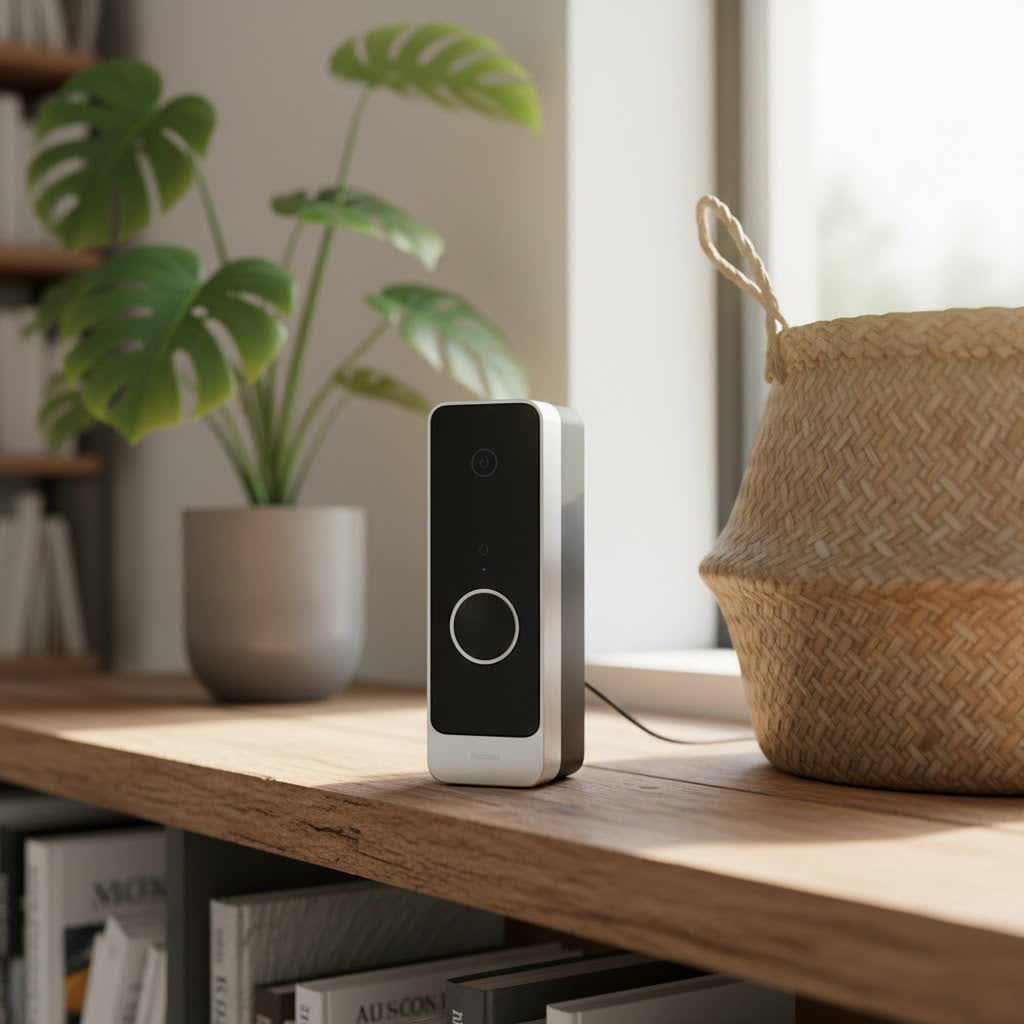
A video doorbell camera is a smart device equipped with a camera, microphone, speaker, and motion sensors, designed to replace your traditional doorbell. When a visitor presses the button or motion is detected, it sends an alert to your smartphone, allowing you to see, hear, and speak to whoever is at your door in real-time, no matter where you are. This remote interaction capability is a game-changer for modern home security and convenience.
The benefits of integrating a video doorbell into your home security system are extensive. Primarily, it significantly enhances security by providing visual evidence of activity at your doorstep, deterring potential intruders and package thieves. You gain the ability to monitor deliveries, screen unwanted solicitors, and even keep an eye on family members arriving home. Beyond security, it offers unparalleled convenience, allowing you to answer your door from anywhere, manage package deliveries, and stay connected to your home’s entry points with ease. Common situations where a video doorbell proves invaluable include receiving important packages when you’re not home, identifying suspicious activity, or simply knowing when friends or family have arrived.
Popular Types of Video Doorbell Cameras
Video doorbells come in various configurations, primarily differing in their power source and the sophistication of their features. Understanding these distinctions is key to selecting a model that aligns with your lifestyle and home setup.
Wired vs. Wireless Video Doorbells
The choice between a wired and wireless (battery-powered) video doorbell often hinges on installation preference and desired performance.
Wired Video Doorbells
Wired models connect directly to your home’s existing doorbell wiring, drawing continuous power. This constant power supply translates to several advantages:
- Reliability: They offer consistent performance without concerns about battery life.
- Stability: Often provide more stable connectivity and faster response times for live view and notifications.
- Advanced Features: Many wired doorbells support features like 24/7 continuous recording (often with a subscription) and advanced motion detection without power constraints.
- Installation: Generally more complex, requiring existing low-voltage doorbell wiring or professional installation. If your home lacks existing wiring, installing a wired model can involve additional electrical work.
Wireless (Battery-Powered) Video Doorbells
Wireless video doorbells, as their name suggests, operate on rechargeable batteries and connect to your home Wi-Fi. They offer flexibility and ease of installation:
- Easy Installation: Typically a DIY-friendly setup, as no electrical wiring is needed. Ideal for renters or homes without existing doorbell circuits.
- Flexible Placement: Can be mounted almost anywhere within Wi-Fi range.
- Battery Maintenance: Requires periodic recharging, with battery life varying significantly between models (from a few weeks to several months). Some models offer solar panel accessories for extended life.
- Potential for Delay: May have a slight delay in activating recording or sending notifications as they often enter a low-power state to conserve battery.
|
Our Picks for the Best Video Doorbell in 2026
As an Amazon Associate I earn from qualifying purchases.
|
||
| Num | Product | Action |
|---|---|---|
| 1 | Noorio Wireless Doorbell Camera with Rechargeable Battery, 2K+ Resolution, 2-Way Audio, Color Night Vision, AI Motion Detection, Smart Video Doorbell Works with Alexa, D110 |

|
| 2 | Blink Mini 2 — Home Security & Pet Camera with HD video, color night view, motion detection, two-way audio, and built-in spotlight — 1 camera (White) |
|
| 3 | Ring Battery Doorbell (newest model), Home or business security with Head-to-Toe video, Live View with Two-Way Talk, and Motion Detection & Alerts, Venetian Bronze |
|
| 4 | Ring Battery Doorbell (newest model), Home or business security with Head-to-Toe video, Live View with Two-Way Talk, and Motion Detection & Alerts, Satin Nickel |
|
| 5 | NariOrbi WiFi Video Doorbell Camera with Human Detection, Battery Powered, Night Vision, 2-Way Talk, 2.4G WiFi, Cloud Storage |
|
| 6 | Tapo by TP-Link Smart Video Doorbell Camera Wireless with Chime, 2K with Full Color Night Vision & Spotlights, No Monthly Fee, Ring Call, 160° Ultra-Wide View, Free AI Detection, Local Storage,D210 |
|
| 7 | Blink Outdoor 4 – Wireless smart security camera, two-year battery life, 1080p HD day and infrared night live view, two-way talk. Sync Module Core included – 2 camera system |
|
| 8 | Ring Indoor Cam, Home or business security in 1080p HD video, White |
|
| 9 | Blink Video Doorbell (newest model) – Head-to-toe HD view, two-year battery life, and simple setup. Sync Module Core included – System (Black) |
|
| 10 | Blink Video Doorbell (newest model) – Head-to-toe HD view, two-year battery life, and simple setup. Required Sync Module not included – Add-On (White) |
|
Basic vs. Advanced (AI) Features
Beyond power source, video doorbells differentiate themselves through their feature sets, ranging from essential monitoring to cutting-edge artificial intelligence.
Basic Features
Most entry-level video doorbells provide fundamental security and communication tools:
- HD Video: Typically 1080p resolution for clear images.
- Two-Way Talk: Allows for real-time conversation with visitors.
- Motion Alerts: Notifies you when movement is detected at your door.
- Infrared Night Vision: Provides black and white video in low-light conditions.
Advanced Features (AI-Powered)
Premium video doorbells leverage AI and advanced optics to offer sophisticated functionalities:
- Higher Resolution: 2K or 4K video for exceptionally sharp detail, often with High Dynamic Range (HDR) for better clarity in varying light.
- Wider Field of View & Aspect Ratios: Features like 1:1 or “head-to-toe” aspect ratios capture more of your entryway, crucial for seeing packages on the ground.
- Color Night Vision: Uses ambient light or built-in LEDs to provide full-color video at night.
- Intelligent Motion Detection: AI distinguishes between people, pets, packages, and vehicles, reducing false alerts from harmless movements like passing cars or swaying branches.
- Facial Recognition: Some high-end models can learn familiar faces and alert you when a recognized person arrives.
- Custom Motion and Privacy Zones: Allows you to define specific areas for monitoring or exclude areas for privacy (e.g., a neighbor’s window).
- Pre-Roll Recording: Captures a few seconds of video before a motion event is triggered, giving you more context.
- Local Storage: Offers storage options via microSD card or a dedicated hub, often eliminating monthly subscription fees for video history.
- Smart Home Integration: Deeper compatibility with ecosystems like Amazon Alexa, Google Assistant, and Apple HomeKit, enabling voice control, live feeds on smart displays, and integration with other smart devices.
Top Video Doorbell Camera Brands You Can Trust
The market is filled with reputable brands offering a wide array of video doorbell options. Here’s a look at some of the leaders and what sets them apart:
- Ring: Perhaps the most widely recognized brand, Ring offers a broad portfolio of wired and battery-powered doorbells. They are highly integrated with Amazon Alexa and are known for their user-friendly app and robust motion detection features, including 3D motion detection and Bird’s Eye View on their Pro models. Many of their advanced features and video storage require a Ring Protect subscription.
- Eufy: Eufy stands out for offering many premium features, including 2K video and advanced AI detection, often without requiring a monthly subscription. Many Eufy doorbells come with local storage options (e.g., via a HomeBase or microSD card), which is a significant cost-saving benefit. Their E340 model features a unique dual-camera design for comprehensive package protection.
- Google Nest: Google Nest doorbells seamlessly integrate with the Google Home ecosystem and Google Assistant. They are praised for their sophisticated facial recognition capabilities (with Nest Aware subscription) and intuitive design. Nest offers both battery-powered and wired options, catering to different installation needs.
- Arlo: Arlo is well-regarded for its security camera systems, and their video doorbells maintain that reputation with excellent video quality (up to 2K) and smart object detection. Arlo doorbells often offer flexible power options (wired or wireless) and integrate well with various smart home platforms, though video recording and advanced alerts typically require an Arlo Secure subscription.
- TP-Link Tapo: For budget-conscious buyers, TP-Link Tapo offers compelling video doorbells like the Tapo D225. These models provide solid 2K video resolution, local storage options, and good smart home compatibility at a very competitive price point, often including features usually found in more expensive units.
- SimpliSafe: SimpliSafe’s Video Doorbell Pro is a strong contender for those prioritizing intruder prevention, especially when integrated into a larger SimpliSafe security system. It features smart motion detection and Active Guard Outdoor Protection, offering professional monitoring capabilities.
- Lorex: Lorex is known for its focus on local video storage solutions, with models like the Lorex 1080p HD Wired Doorbell offering microSD card storage, eliminating the need for recurring cloud subscription fees.
Comparing the Best Video Doorbell Cameras
Choosing the best video doorbell involves weighing various specifications and features against your specific needs. Here’s a comparison of some of the top models across different categories, highlighting their strengths and what they offer.
| Model | Resolution | Field of View (Diagonal) | Power Type | Storage | Key Features | Pros | Cons |
|---|---|---|---|---|---|---|---|
| Ring Wired Doorbell Pro | 4K | 140° | Wired | Cloud | Retinal 4K video, AI event descriptions, 3D Motion Detection, Bird’s Eye View | Exceptional 4K clarity, advanced AI, works with Alexa | Expensive, no local storage, subscription required for recordings |
| Eufy Video Doorbell E340 | 2K (front) / 1080p (package) | 160° / 97° | Battery/Wired | Local | Dual cameras (head-to-toe & package), color night vision, free local storage | No subscription fees for core features, excellent package protection | Pricey upfront, bulky design |
| Google Nest Doorbell (Battery) | 1280p HD | 145° | Battery/Wired | Cloud | Facial recognition, intelligent alerts (people, packages, animals) | Seamless Google Home integration, accurate facial recognition | Subscription needed for full history, battery can be inconvenient to recharge |
| Arlo Video Doorbell (2nd Gen) | 2K or HD | 180° | Battery/Wired | Cloud | Head-to-toe view, smart object detection, wide compatibility | Versatile power options, sharp video, good third-party support | Subscription required for recorded video and smart alerts |
| TP-Link Tapo D225 | 2K | 180° | Battery/Wired | Local/Cloud | Head-to-toe view, object detection, remote chime included | Affordable, good 2K video, local storage option, flexible power | Can be bulky, battery must be dismounted for charging |
Your Ultimate Buying Guide for a Video Doorbell Camera
Navigating the options can be overwhelming, but a systematic approach will ensure you pick the ideal video doorbell. Consider your unique circumstances and priorities.
Assess Your Home Security Needs
Start by defining what you want your video doorbell to achieve:
- What is your primary purpose? Is it mainly for security (deterring theft, monitoring suspicious activity), convenience (answering the door remotely, managing deliveries), or both?
- Where will it be installed? The front door is standard, but consider side entrances, a gate, or a garage door. This impacts wiring and Wi-Fi considerations.
- What’s your budget? Beyond the initial purchase price, factor in potential monthly subscription fees for cloud storage or advanced AI features. Models offering local storage can save significant money over time.
Key Factors to Consider When Selecting
Once you have a clear idea of your needs, evaluate these critical specifications:
- Video Quality and Audio: Look for a minimum of 1080p HD resolution. 2K or 4K offers superior detail, especially for zooming in. HDR (High Dynamic Range) is beneficial for balancing bright and shadowy areas. A wide field of view (160° to 180°) is important, and a 1:1 or “head-to-toe” aspect ratio is excellent for seeing packages. Crisp two-way audio with echo cancellation ensures clear communication.
- Night Vision: Infrared night vision is standard, but color night vision provides more detail and a clearer picture at night, especially with some ambient light.
- Motion Detection and AI: Basic motion detection is prone to false alerts. Advanced AI capabilities that differentiate between people, animals, packages, and vehicles are highly valuable for reducing unnecessary notifications. Customizable motion zones and privacy zones offer fine-tuned control over what gets monitored and recorded.
- Connectivity and Compatibility: Most video doorbells use Wi-Fi. Ensure your Wi-Fi signal is strong at your installation location. Some support dual-band Wi-Fi (2.4GHz and 5GHz) for better performance. Check compatibility with your existing smart home ecosystem (Amazon Alexa, Google Assistant, Apple HomeKit) if seamless integration is important to you.
- Storage Options: Decide between local storage (microSD card, hub) or cloud storage. Local storage often means no subscription fees but requires you to manage physical media. Cloud storage offers remote access, backup, and often longer video history, but usually comes with a monthly cost.
- Durability and Weather Resistance: Your doorbell will be exposed to the elements. Look for an IP (Ingress Protection) rating that indicates resistance to dust and water. Check the operating temperature range to ensure it can withstand your local climate.
- Warranty and Technical Support: A good warranty and responsive customer support can be invaluable if you encounter issues.
Important Considerations for Installation and Usage
Proper installation and ongoing maintenance are crucial for optimal performance:
- Optimal Placement: Install your doorbell at a height that captures faces clearly and provides the widest possible view of your doorstep and immediate surroundings. Avoid direct sunlight if possible, as it can affect image quality.
- Wired Installation: If going wired, ensure your existing transformer meets the voltage requirements. If not, an upgrade might be necessary, or consider professional installation.
- Wireless Battery Life: For battery-powered models, monitor battery levels regularly and establish a recharging routine. Some apps offer low-battery alerts. Optimizing motion sensitivity can help extend battery life.
- App Configuration: Spend time configuring motion zones, privacy settings, and notification preferences in the accompanying smartphone app to tailor the doorbell’s performance to your needs and minimize unwanted alerts.
Common Video Doorbell Problems and Solutions
Even the best video doorbell cameras can encounter issues. Here are some common problems and practical troubleshooting tips:
- Connectivity Issues (Weak Wi-Fi): Video doorbells rely heavily on a strong Wi-Fi signal. If you experience dropped connections, delayed notifications, or poor video quality, your Wi-Fi might be too weak at the doorbell’s location.
- Solution: Consider moving your Wi-Fi router closer, installing a Wi-Fi extender, or opting for a dual-band doorbell if your router supports 5GHz, which is less prone to interference.
- Excessive False Alerts: Receiving constant notifications from passing cars, pets, or blowing leaves can be frustrating.
- Solution: Adjust motion sensitivity settings in the app. Utilize motion zones to exclude busy public areas. Invest in a doorbell with advanced AI detection (person, package, vehicle recognition) to filter out irrelevant events.
- Battery Draining Too Quickly: For wireless models, frequent recharging can be inconvenient.
- Solution: Optimize motion sensitivity and recording length settings. Ensure the doorbell is not detecting motion constantly. Consider adding a solar charger accessory if available for your model, or switch to a wired installation if feasible.
- No Recorded Video or Limited History: This is often related to subscription status.
- Solution: Check if your doorbell requires a paid subscription plan for video recording and history. If so, consider subscribing or choosing a model with local storage options. Understand the duration of video history included in your plan (e.g., 30, 60, or 90 days).
- Poor Night Vision Quality: Images are too dark, blurry, or have glare.
- Solution: Ensure the doorbell’s lens is clean. Check for any reflective surfaces nearby that might cause glare (e.g., a window, shiny paint). If using color night vision, ensure there’s sufficient ambient light or consider adding a low-wattage outdoor light.
Conclusion
A high-quality video doorbell camera is an indispensable tool for modern home security and convenience, offering a vital layer of protection and control over your entryway. By understanding the differences between wired and wireless models, recognizing the value of advanced AI features, and carefully considering factors like video quality, storage, and smart home compatibility, you can make an informed decision. The best video doorbell camera is the one that seamlessly integrates with your home, meets your security priorities, and fits your budget. Investing in the right device means transforming your front door into a smart, secure, and always-connected gateway. What kind of peace of mind are you looking for at your doorstep?
